Let me tell you about the most uncomfortable conversation I had with a fellow prepper in 2017.
We were at a camping meetup, and this guy, let’s call him Dave, was showing off his TEOTWAWKI food stockpile.
He had everything organized in labeled bins. Military MREs. Freeze-dried meals. Survival bars. Specialty long-term food buckets. Probably $8,000 worth of gear.
I asked him a simple question: “Have you actually eaten any of this?”
He looked confused. “Well, no. It’s for emergencies.”
“Right, but have you tested it? Opened the packages? Cooked it? Fed it to your family?”
He hadn’t. He’d spent eight grand on food he’d never tasted, stored in a basement, assuming it would sustain his family through a collapse scenario.
Six months later, I ran into him again. He looked defeated. He’d finally opened some of his stockpile during a voluntary drill. His kids refused to eat most of it.
The MREs gave everyone digestive issues. The freeze-dried meals were so bland his wife couldn’t stomach them. Half his investment was basically wasted because nobody could actually eat it long-term.
That’s the problem with most TEOTWAWKI food advice. It focuses on shelf life and packaging, not on whether humans can actually survive eating it for months or years.
I’ve been prepping since 2012. I’ve run countless drills where my family ate only from our stockpile. I’ve researched what actually kept people alive during real collapses, Bosnia, Venezuela, Argentina’s economic crash, the Depression, historical sieges.
And I’ve learned something critical: the foods that sustain humans through extended catastrophes aren’t the ones marketed to preppers.
They’re simple staples that humans have relied on for centuries. Foods with complete nutrition, long storage life, and enough variety to maintain morale when everything else has gone to hell.
TEOTWAWKI, The End of the World as We Know It, isn’t about one dramatic event. It’s about systems breaking down and not coming back quickly. Supply chains that don’t recover in weeks.
Grocery stores that stay empty for months. An economy that doesn’t bounce back. Social order that remains fragile indefinitely.
In those scenarios, you need foods that can sustain life for 6 months, a year, maybe longer. Not survival bars that taste like cardboard. Not freeze-dried meals that cost $10 per serving. Real food with real nutrition that real humans can actually eat day after day after day.
This isn’t about paranoia. It’s about understanding that the systems we depend on, food distribution, supply chains, stable currency, are more fragile than most people realize.
And when they break, the people who survive comfortably are those who stored the right foods in the right quantities.
Let me show you what actually works.
Understanding TEOTWAWKI vs. Short-Term Emergencies
Before we talk about specific foods, you need to understand the difference between preparing for a two-week power outage and preparing for long-term system collapse.
Short-term emergencies are what most preppers plan for. Hurricane. Winter storm. Brief supply chain disruption. The power comes back. The stores restock.
Life returns to normal within days or weeks. For these situations, almost any food works fine. Canned soup. Crackers. Whatever’s convenient.
TEOTWAWKI is different. It’s what happens when systems don’t recover. When the power stays off for months. When supply chains remain broken. When currency loses value. When grocery stores don’t restock because distribution networks have failed.
I’m not talking about zombies or nuclear war. I’m talking about scenarios that have actually happened in modern times. Venezuela’s collapse lasted years.
Argentina’s economic crisis stretched on indefinitely. The Bosnian siege went for nearly four years. The Depression lasted a decade.
During extended collapse scenarios, three things determine survival:
First, caloric sufficiency. You need enough calories to maintain body weight and energy. Starvation isn’t dramatic, it’s gradual decline, weakness, illness, and eventual death.
You need 1,800-2,500 calories per person per day minimum, depending on activity level and climate.
Second, nutritional completeness. You can survive on rice alone for months, but you’ll develop deficiencies that cause serious health problems. You need protein, fats, vitamins, and minerals.
Complete nutrition matters for long-term survival.
Third, psychological sustainability. This is what everyone ignores. You can’t eat survival bars for six months without breaking mentally. Food monotony destroys morale, causes depression, and breaks people’s will to continue.
Variety isn’t luxury—it’s survival necessity.
The foods I’m recommending below address all three requirements. They’re calorically dense, nutritionally complete when combined properly, and varied enough to maintain psychological stability during extended hardship.
I learned this through studying actual collapse survivors. The families who made it through long-term crises weren’t eating MREs or freeze-dried meals. They were eating combinations of grains, legumes, fats, and whatever protein they could access. The same staples humans have relied on for thousands of years.
That’s what this list focuses on, foods that have proven themselves through actual historical collapses, not theoretical YouTube scenarios.
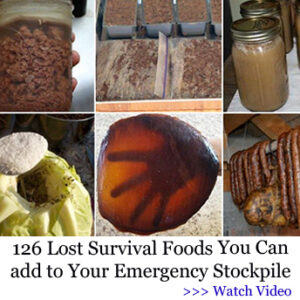
Discover The 126 Superfoods That You Can Store Without Refrigeration for Years. CLICK HERE TO WATCH THE FREE VIDEO
The Foundation: Calories That Keep You Alive
During TEOTWAWKI, calories become currency. Your body needs energy to function, work, stay warm, and fight illness. Without sufficient calories, everything else fails.
1. White Rice: The Ultimate Survival Calorie Source
White rice is the single most important food you can stockpile for long-term collapse. I’ll fight anyone who disagrees.
A 50-pound bag costs $20-25 and provides about 81,000 calories. That’s roughly 40 days of survival calories for one person. Store 600 pounds per person and you have a full year of caloric foundation for about $240-300.
White rice stores indefinitely when packed properly. I’m talking 30+ years in mylar bags with oxygen absorbers. I have rice from 2014 that’s still perfect. No degradation. No off-flavors. Cooks exactly like fresh rice.
Here’s why white rice beats brown rice for TEOTWAWKI: Brown rice contains oils in the bran layer that go rancid within 6-12 months. White rice has been milled to remove those oils, creating a virtually indestructible food source.
Yes, brown rice has more nutrients. But rancid brown rice has zero nutrients because you can’t eat it.
Rice provides 1,650 calories per pound. It’s easy to cook with minimal fuel. It pairs with everything. And it’s psychologically neutral, familiar enough to feel normal, bland enough that you won’t get sick of it quickly.
During the Bosnian siege, rice was one of the most valued trading commodities. Families who had rice stockpiled survived. Families who didn’t starved or were forced into dangerous situations to get food. That’s not theory, that’s documented history.
I store rice in 5-gallon buckets with mylar bag liners and oxygen absorbers. Each bucket holds about 35 pounds of rice. Six buckets per person gives you roughly 210 pounds, which is about 6 months of rice as your primary carb source.
Learn to cook rice properly now. Perfect rice is about texture and technique. Use a 2:1 water-to-rice ratio. Bring to boil, reduce to simmer, cover for 18-20 minutes. Let it rest off heat for 5 minutes. That’s it. Master this before you need to cook it while stressed and exhausted.

Discover The 126 Superfoods That You Can Store Without Refrigeration for Years. CLICK HERE TO WATCH THE FREE VIDEO
2. Dried Beans: Protein and Calories Combined
Beans are the second pillar of TEOTWAWKI food storage. Combined with rice, they provide complete protein and cover most of your nutritional needs.
Dried beans cost $1-1.50 per pound retail, sometimes 80 cents per pound in bulk. Each pound provides about 1,550 calories and 100 grams of protein. A 50-pound bag costs $40-75 and represents massive nutritional value.
Pinto beans, black beans, kidney beans, navy beans, they all store identically and provide similar nutrition. Buy variety for psychological reasons. Different beans taste different enough to break monotony.
Storage life is 25-30 years in proper conditions. I have beans from 2013 that still cook fine. They take longer to cook as they age, old beans might need 3-4 hours of simmering versus 2 hours for fresh beans,but they remain perfectly edible and nutritious.
The protein content is what makes beans essential. During collapse when animal protein becomes scarce or unaffordable, beans keep you from protein deficiency. Combined with rice, beans provide complete amino acid profiles. You’re not just surviving—you’re maintaining actual health.
Here’s what nobody tells you: beans require significant fuel to cook. That’s a real consideration during TEOTWAWKI when fuel might be rationed or scarce. Pressure cookers cut cooking time dramatically, 45 minutes versus 2-3 hours.
If you’re planning to eat beans regularly during collapse, invest in a pressure canner that works on camp stoves or fire.
I store 200-300 pounds of mixed beans for my family of four. That’s roughly 100,000 grams of protein, enough for a year at minimum requirements. Sounds like a lot, but it’s only $160-300 and it will literally keep you from starving.
Soak beans overnight before cooking. This reduces cooking time, improves digestibility, and makes them easier on your system. During collapse when you’re already stressed, digestive issues from improperly prepared beans will make everything worse.
3. Pasta: Fast Calories When Fuel Is Scarce
Pasta is underrated for long-term storage because preppers obsess over rice. But pasta has advantages rice doesn’t—faster cooking time, different texture, and psychological variety.
Dried pasta costs about $1 per pound in bulk. Each pound provides 1,600 calories and cooks in 8-12 minutes. Compare that to rice (20 minutes) or beans (2+ hours). When fuel is precious, pasta’s efficiency matters.
Storage life is 3-5 years in original packaging, or 10+ years in mylar bags with oxygen absorbers. Not as long as rice, but long enough for realistic TEOTWAWKI planning.
Most collapse scenarios that last longer than 10 years involve complete societal breakdown where packaged foods become irrelevant anyway.
The variety is critical. Spaghetti feels different from penne. Elbow macaroni makes different dishes than linguine. Small variations in food texture and presentation maintain morale during monotonous situations.
That psychological component keeps people functional when stress is already breaking them down.
I keep 150-200 pounds of pasta in various shapes. That’s maybe $150-200 and provides serious caloric backup when rice gets monotonous or when fuel conservation is critical.
During the Texas freeze when we were rationing propane, pasta became our primary carb because it cooked fast. We could make a full meal for four people using minimal fuel. That efficiency mattered when we weren’t sure how long our fuel would last.
One warning: whole wheat pasta stores for shorter periods due to oils in the wheat bran. Same issue as brown rice. Stick with regular refined pasta for long-term storage.
4. Wheat Berries and a Grain Mill
This is where most preppers drop off because it requires more effort. But wheat berries plus a manual grain mill give you flour on demand for 20+ years.
Wheat berries are whole wheat kernels before milling. They cost $1-2 per pound in bulk and store for 20-30 years sealed properly. A 50-pound bag is about $50-100 depending on source and quality.
The grain mill is the key. Manual grain mills cost $200-400 for quality models. Electric mills are faster but worthless when power is out indefinitely. Get a manual mill with stone burrs or steel burrs. Practice using it now because it’s physical work.
Why this matters: Fresh-milled flour makes bread, biscuits, tortillas, dumplings, noodles, and dozens of other foods that break the psychological monotony of eating rice and beans every day. The ability to bake bread during collapse is enormous for morale.
Flour from stores stores for 6-12 months. Fresh-milled flour from wheat berries stored for decades? That’s 20+ years of bread-making capability. That’s the difference between surviving and maintaining something resembling normal life.
I have 300 pounds of wheat berries stored. With a manual mill, that’s about 300 pounds of flour available over years. I mill 5-10 pounds at a time and use it within weeks. Fresh flour tastes better and has more nutrients than store-bought flour that’s been sitting for months.
Learning to bake basic bread, biscuits, and flatbreads is essential. These aren’t difficult skills but they require practice. Start now. Bake bread monthly using your wheat berries and grain mill. Build muscle memory and timing so you’re not learning during crisis.
Proteins That Sustain Long-Term
Carbohydrates keep you alive. Protein keeps you functional. During TEOTWAWKI, protein becomes harder to access as supply chains break and animal products become scarce or prohibitively expensive.
5. Canned Meat: Chicken, Tuna, Salmon
Canned proteins are shelf-stable, ready-to-eat, and provide essential amino acids without refrigeration.
Canned chicken costs $2-3 per 12-ounce can. Each can contains about 60 grams of protein, a full day’s minimum requirement for one person. Canned tuna is cheaper at $1-2 per 5-ounce can (20-25 grams protein). Canned salmon is $3-5 per can but provides omega-3 fatty acids that prevent cognitive decline during stress.
Shelf life is officially 3-5 years, but I’ve eaten cans that were 7-8 years old with no issues. As long as the can isn’t bulging, deeply dented, or rusted through, the contents are safe. I open and inspect questionable cans carefully, but I’ve never had one actually spoil.
The convenience during collapse cannot be overstated. When fuel is scarce, canned proteins require zero cooking. When you’re exhausted from survival tasks, opening a can is infinitely easier than processing raw protein.
When refrigeration is impossible, canned meat stays safe indefinitely.
I keep 300-400 cans of mixed proteins (chicken, tuna, salmon) for my family. That’s about $600-800 worth but it represents 6+ months of protein supplementation. During actual collapse when fresh meat becomes unavailable, this stockpile prevents protein deficiency.
Rotate through your canned proteins regularly. We eat canned chicken or tuna 2-3 times monthly in regular life. This naturally cycles our stock while ensuring we’re always eating relatively fresh product with years of remaining shelf life.
Discover The 126 Superfoods That You Can Store Without Refrigeration for Years. CLICK HERE TO WATCH THE FREE VIDEO
6. Powdered Milk and Eggs
Fresh dairy becomes impossible during extended grid-down situations. Powdered milk and powdered eggs solve this problem.
Powdered milk costs about $10-15 for a container that makes 80 cups. That’s 12-15 cents per cup for milk that stores for 2-5 years sealed (or 10+ years in proper mylar storage). Powdered eggs are more expensive at $25-35 per container making 12-18 dozen eggs equivalent, but eggs are critical for baking and complete nutrition.
The psychological value is massive. Being able to make pancakes, scrambled eggs, or milk-based dishes during collapse provides comfort and normalcy. These foods feel like real meals, not survival rations. That mental boost matters when everything else is chaotic.
I keep 10-15 containers of powdered milk and 5-6 containers of powdered eggs rotated through regular use. We use them for camping, baking, and emergency drills. This keeps the stock fresh while maintaining our reserve.
Reconstitution tips: Mix powdered milk the night before and refrigerate if you have power. It tastes much better cold. For powdered eggs, use slightly less water than directions suggest, makes them less watery when cooked.
7. Peanut Butter: Calorie-Dense Protein
Peanut butter is survival food that doesn’t taste like survival food. It’s 190 calories and 7-8 grams of protein per 2-tablespoon serving. A 40-ounce jar costs $5-7 and contains about 25 servings.
Natural peanut butter (just peanuts and salt) stores for 6-9 months. Regular peanut butter with stabilizers stores for 2-3 years unopened. For TEOTWAWKI planning, I keep both, natural for near-term use and regular for long-term reserves.
The versatility is underrated. Peanut butter works as spread, cooking ingredient, calorie supplement for underweight people, emergency food requiring zero prep, and psychological comfort food.
During the Texas freeze, we went through three jars in six days because it was easy protein and calories when we were rationing cooking fuel.
Kids actually like peanut butter, which matters enormously during collapse when stressed children refuse to eat. A food that children willingly consume is worth its weight in gold when you’re trying to maintain their caloric intake.
I store 20-30 jars in rotation. That’s maybe $100-150 worth but it represents significant caloric and protein density in a format that requires zero preparation.
One critical note: peanut allergies are serious and potentially fatal. If anyone in your household has peanut allergies, substitute sun butter (sunflower seed butter) or other nut butters with similar nutrition profiles.
Fats: The Forgotten Essential
Preppers obsess over carbs and protein but ignore fats. That’s dangerous. Your body needs fats for hormone production, vitamin absorption, cell function, and survival in cold weather. Plus, fats provide 9 calories per gram, more than double the caloric density of carbs or protein.
8. Cooking Oil: Vegetable, Coconut, Olive
Plain vegetable oil stores for 1-2 years unopened. A gallon costs $8-12 and provides about 30,000 calories. That’s serious energy density for minimal storage space and cost.
Coconut oil stores longer, 3-5 years, because it’s mostly saturated fat, which is more stable. It costs more ($15-20 per gallon) but the extended shelf life justifies the premium for long-term planning.
Here’s what most people miss: During food scarcity, fats make small portions feel more satisfying. A tablespoon of oil in your rice adds 120 calories and makes the meal feel more substantial. That psychological effect helps people cope with rationed food supplies.
I keep 5-6 gallons of mixed oils in rotation, vegetable oil for regular cooking, coconut oil for long-term storage, and olive oil for flavor variety. Every 6-8 months, I move the oldest oil into kitchen use and buy fresh for storage.
During the Bosnian siege, cooking oil was one of the most valuable barter items. People traded cigarettes, alcohol, and other valuables for fats because they understood viscerally that fats keep you alive during starvation conditions.
9. Ghee and Lard
Ghee is clarified butter, butter with milk solids removed. It stores for 12+ months unrefrigerated or several years in cool storage. You can buy it or make it yourself from regular butter.
Lard is rendered pork fat. It stores for 6-12 months at room temperature or years in cool conditions. You can render it yourself from pork fat scraps if you have access to pork.
Both provide animal fats that your body needs for optimal health. Plant-based oils work for survival, but animal fats contain nutrients that plant oils don’t.
During extended collapse when nutritional variety becomes limited, having diverse fat sources prevents deficiencies.
The flavor benefit is real too. Everything tastes better cooked in ghee or lard. During hard times, making food taste good isn’t luxury—it’s psychological maintenance that keeps people functional.
I keep 8-10 pints of ghee in mason jars in my basement. I render lard myself when I can access pork fat, though this isn’t always practical. Combined with oils, this gives us significant fat reserves for 12+ months of collapse conditions.
Discover The 126 Superfoods That You Can Store Without Refrigeration for Years. CLICK HERE TO WATCH THE FREE VIDEO
Foods That Prevent Deficiency and Maintain Health
Surviving isn’t enough. You need to maintain health during extended hardship. These foods prevent the deficiencies that kill people during long-term collapse.
10. Canned Vegetables and Fruits
Canned vegetables prevent scurvy and provide essential vitamins when fresh produce disappears.
Each can costs 50 cents to $1 on sale. Shelf life is 2-3 years labeled, but canned vegetables remain safe for 5-10 years stored properly. The quality degrades slightly, vegetables get softer, colors fade, but nutrition and safety remain intact.
Vitamin C deficiency (scurvy) was a real problem during historical sieges and collapses. Canned tomatoes, green beans, and corn retain vitamin C well. So do canned potatoes and mixed vegetables.
These aren’t optional during TEOTWAWKI—they’re medical necessities.
I store 300-400 cans of vegetables and 50-100 cans of fruit for my family. That’s about $200-300 and represents 6-8 months of having vegetables with every meal during collapse. We rotate through them regularly, eating canned vegetables 3-4 times weekly even during normal times.
Canned fruit provides vitamin C and psychological comfort. Yes, it’s mostly sugar water. But during months of eating rice and beans, opening a can of peaches feels like dessert. That morale boost matters for mental health during extended stress.
11. Multivitamins and Mineral Supplements
This isn’t food, but it’s essential for TEOTWAWKI planning. Multivitamins prevent deficiency diseases when dietary variety becomes impossible.
A bottle of quality multivitamins costs $10-20 and provides 100-200 days of coverage. Shelf life is 2-3 years typically. I rotate through five bottles, always keeping 1,000+ days of vitamins in reserve.
During the Depression and various historical collapses, vitamin deficiency diseases killed people who had enough calories.
Pellagra (niacin deficiency), beriberi (thiamine deficiency), and scurvy (vitamin C deficiency) were common. All preventable with basic supplementation.
Prioritize vitamins with iron, B-complex, vitamin C, and vitamin D. These are the deficiencies most likely during collapse conditions when diet becomes monotonous and sun exposure might be limited due to staying indoors for security.
I also keep calcium supplements, magnesium, and vitamin D separately. These support bone health, immune function, and mood regulation during extended stress. They’re cheap insurance against deficiency diseases.
12. Salt, Sugar, and Honey
Salt is survival essential. Your body needs sodium for fluid balance, nerve function, and muscle contraction. Without adequate salt, you die. It’s that simple.
Iodized salt prevents thyroid problems during long-term food rationing. A 4-pound box costs $2 and lasts forever—salt doesn’t expire. I keep 25-30 pounds stored.
That might seem excessive, but salt has multiple uses: food preservation, making saline solution for wounds, maintaining electrolyte balance during illness, and of course, making food palatable.
Sugar provides quick energy and makes bland food bearable. A 10-pound bag costs $5-7. Sugar stores indefinitely if kept dry. I keep 40-50 pounds stored. During collapse when every meal is rice and beans, a little sugar makes everything more tolerable.
Honey is even better. It literally never expires. Archaeologists have found 3,000-year-old honey that’s still edible.
Honey provides antimicrobial properties for wound care, natural energy, and sweetness that boosts morale. A 5-pound jar costs $15-25. I keep 20-25 pounds stored.
During Venezuela’s collapse, sugar became currency. People traded essential items for sugar because it made terrible food bearable and provided quick energy when people were weak from malnutrition.
That’s real-world evidence of sugar’s psychological and physical importance.

13. Spices, Bouillon, and Flavor Enhancers
This is where most TEOTWAWKI planning fails completely. People stockpile calories but ignore flavor. Then they can’t eat their monotonous food and morale collapses.
Basic spices cost $2-4 per container and last 2-3 years. Garlic powder, onion powder, black pepper, chili powder, cumin, oregano, basil, these make rice and beans taste like actual food instead of survival rations.
Bouillon cubes or powder are gold during collapse. They turn cooking water into broth, make plain rice flavorful, and add depth to simple dishes. A jar costs $3-5 and makes 20-30 cups. I keep 10-12 jars of chicken and beef bouillon.
Hot sauce, soy sauce, vinegar, these condiments transform bland staples into varied meals. They’re cheap, they store for years, and they’re worth their weight in psychological value.
I learned this during a week-long drill in 2019. Everything was properly stored, nutrition was adequate, but we’d under-seasoned our food. By day four, nobody wanted to eat even though we were hungry. The food was technically fine but so bland we couldn’t stand it. That’s when I realized spices aren’t luxury—they’re essential for maintaining the will to eat when you’re already stressed.
Now I keep a full spice collection with backups. Maybe $50-75 worth total, but it makes the difference between eating our stockpile willingly versus forcing it down because we have to.
How Much Do You Actually Need?
Most TEOTWAWKI planning advice throws out generic numbers without context. Here’s realistic calculation for one person for one year.
Caloric needs: 2,000 calories per day minimum = 730,000 calories per year
Breakdown by staple foods:
- 365 pounds of rice (600,000 calories)
- 100 pounds of beans (155,000 calories)
- 50 pounds of pasta (80,000 calories)
- 20 pounds of flour/wheat berries (30,000 calories)
- Fat and protein sources (varying)
That’s roughly 500-600 pounds of core staples per person per year, costing about $400-600 depending on bulk purchasing and sales.
For a family of four, multiply everything by four:
- 1,460 pounds of rice
- 400 pounds of beans
- 200 pounds of pasta
- 80 pounds of wheat berries
- 400-600 cans of protein
- 300-400 cans of vegetables
- 50-100 cans of fruit
- Fats, seasonings, supplements
Total cost: roughly $2,000-2,500 for one year of food storage for four people. That’s significantly less than freeze-dried meal companies charge for three months of food.
But here’s the reality: You probably shouldn’t start with a full year. Build to three months first. Then six months. Then a year. Trying to buy everything at once leads to mistakes and wasted money.
Start with two weeks of supplies. Test it during a drill. Adjust based on what you learn. Add another two weeks. Test again. Build gradually based on real experience, not theory.
Discover The 126 Superfoods That You Can Store Without Refrigeration for Years. CLICK HERE TO WATCH THE FREE VIDEO
Storage Reality Check
You need space for this much food. Let’s be honest about that.
500-600 pounds of food per person takes up approximately 15-20 cubic feet of storage space. For a family of four, that’s 60-80 cubic feet, roughly the size of a small walk-in closet or large storage room.
I started in a 900 square foot apartment. I stored food under beds, in closets, behind furniture, and in a small storage unit. It wasn’t ideal but it worked. You make it work because the alternative, not having food during collapse, isn’t acceptable.
Temperature matters enormously. Cool, dry storage extends shelf life dramatically. Every 10°F increase in temperature cuts storage life roughly in half. A 60°F basement stores food twice as long as an 80°F garage.
I lost 50+ pounds of food my first year because I stored it in my Texas garage. Summer heat destroyed everything. Now I only store food in climate-controlled spaces or properly insulated areas that stay cool.
Pests are the other enemy. Mice chew through cardboard and thin plastic. I learned this when I found droppings in my pasta boxes. Now everything goes in hard plastic bins, mylar bags with oxygen absorbers, or glass jars. Haven’t had pest problems since.
What TEOTWAWKI Planning Gets Wrong
Most collapse preparation advice comes from people who’ve never experienced actual collapse. They’re theorizing, not reporting. That leads to critical mistakes.
Mistake 1: Focusing on duration over nutrition. Having a year’s worth of rice is useless if vitamin deficiency kills you at eight months. Nutritional completeness matters more than sheer volume.
Mistake 2: Ignoring psychological sustainability. You cannot eat survival bars for six months. Humans break mentally from food monotony before they die from malnutrition. Variety isn’t luxury, it’s survival.
Mistake 3: Buying food you’ve never eaten. If you haven’t tested your stockpile during normal times, you have no idea whether your family can actually eat it during crisis. Test everything now.
Mistake 4: Assuming you’ll suddenly develop skills. If you can’t bake bread now, you won’t magically learn during collapse when you’re stressed and exhausted. Build skills now through regular practice.
Mistake 5: Preparing alone. Solo survival is nearly impossible during extended collapse. Community matters. Share knowledge, build relationships, and understand that hoarding without community leads to isolation and vulnerability.
I made all these mistakes myself between 2012-2016. I bought food I never tested. I focused on quantity over quality. I assumed I’d figure out skills when needed. I operated alone instead of building community.
Every mistake taught expensive lessons. Now I test everything, prioritize nutrition and variety, practice skills regularly, and maintain relationships with like-minded neighbors. That’s actual preparation, not theoretical stockpiling.
Taking Action Without Panic
Don’t let TEOTWAWKI planning overwhelm you. You don’t need a year’s supply tomorrow. You need to start building systematically today.
This week: Buy 50 pounds of rice, 20 pounds of beans, and 20 cans of vegetables. Cost: about $50. Storage: any closet or under-bed space. That’s two weeks of core staples.
This month: Add 50 more pounds of rice, 20 pounds of pasta, 20 cans of protein, and basic spices. Cost: about $80. Now you have a month of food.
Next three months: Continue adding 50-100 pounds of staples monthly plus supporting items (fats, vegetables, proteins, seasonings). Cost: $100-150 per month. At three months, you have a quarter-year supply.
Build from there based on budget and space. Six months. Nine months. A year. Don’t rush. Don’t panic-buy. Build systematically based on your family’s actual needs and preferences.
The most important action: test your stockpile. Run drills. Eat only from storage for weekends, then full weeks. Learn what works, what doesn’t, what you’re missing, and what you have too much of. Adjust accordingly.
Theory fails. Testing reveals truth. Every drill teaches lessons that make your stockpile more functional and your family more prepared.
Final Reality
TEOTWAWKI might never happen. I genuinely hope it doesn’t.
But the foods on this list aren’t just for collapse. They’re for job loss, medical emergencies, economic downturns, and any situation where your regular food access gets disrupted.
I’ve used my stockpile three times in the last decade, job loss in 2016, COVID in 2020, Texas freeze in 2021. Each time, having months of food stored meant my family ate normally while others struggled or went without.
That’s the real value. Not preparing for theoretical apocalypse. Preparing for real disruptions that happen to real families regularly.
Food storage is insurance. You hope you never need it. But when you do need it, nothing else matters more than having it ready.
These 13 foods represent thousands of years of human survival knowledge. They’re the staples that sustained people through plagues, wars, famines, and collapses throughout history. They work because they’ve been tested not in drills, but in actual life-and-death situations.
Start building your stockpile today. Buy rice. Buy beans. Buy fats and proteins and seasonings. Test what you buy. Learn to cook it. Make it part of your regular life so when crisis comes, you’re not learning, you’re just continuing what you already know.
Because the best time to store food was years ago. The second best time is right now, before you need it.
Stay calm. Stay steady. Start storing.
Discover The 126 Superfoods That You Can Store Without Refrigeration for Years. CLICK HERE TO WATCH THE FREE VIDEO